
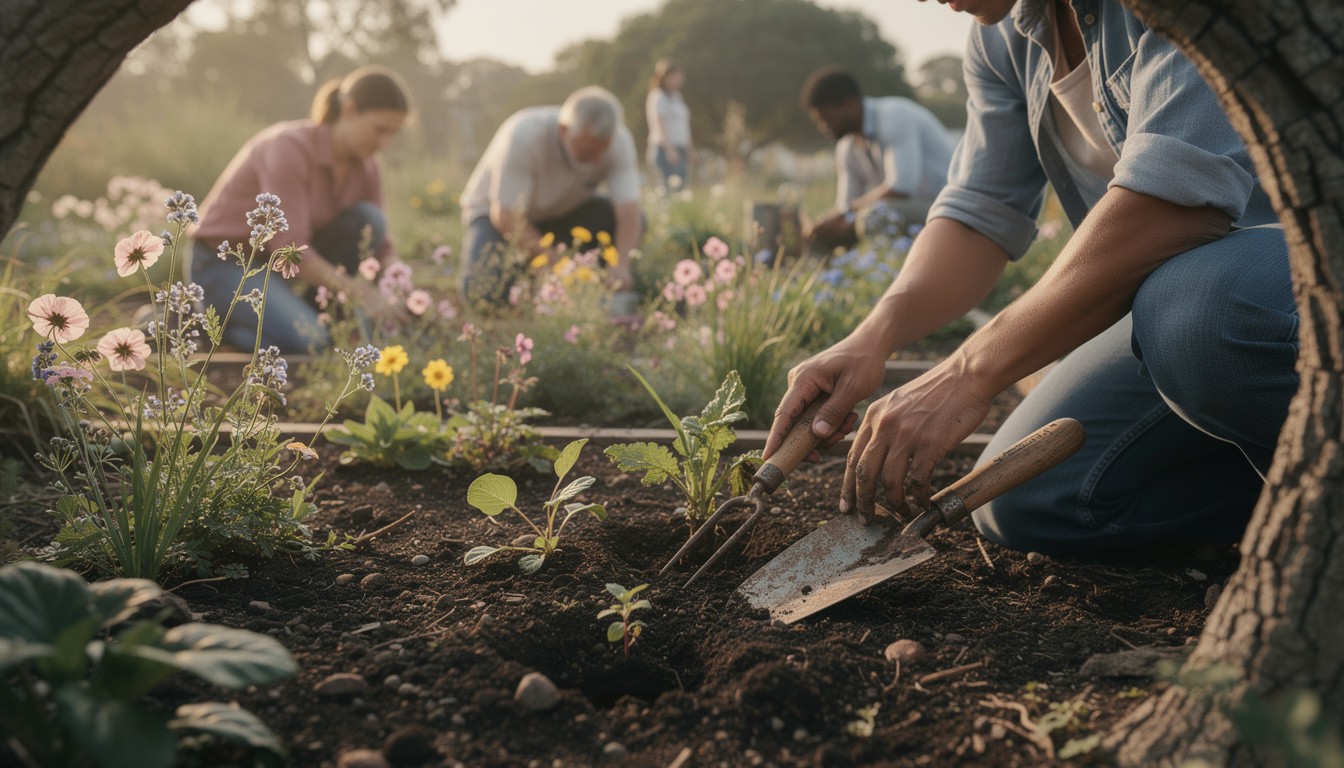
Some of the most effective approaches to protecting nature do not originate with government policies but with neighborhood efforts. By focusing on community-led projects, residents transform concerns about climate and conservation into real actions just outside their doors. Planting native seeds and plants, restoring local landscapes, and encouraging inclusive participation have all become powerful strategies in the movement toward greater biodiversity conservation in both urban and rural settings.
Understanding the importance of biodiversity conservation
Biodiversity refers to the variety of life within an area—plants, animals, fungi, and even microbes that interact to form balanced ecosystems. When biodiversity declines, resilience weakens, risks from pests or disease increase, and the quality of life for people and wildlife suffers. Through active engagement, communities can play a fundamental role in reversing these negative trends.
Communities investing energy in biodiversity conservation witness real transformations: cleaner air, healthier soils, and thriving pollinator populations. Local species return while invasive ones gradually lose ground. These changes help both nature and society build stronger foundations for future generations.
Why community-led projects create impact
When individuals unite, they bring together diverse skills, traditions, and perspectives. This collective knowledge enhances creativity and amplifies outcomes. Guided by empowerment and local leadership, these projects often achieve far more than top-down mandates could ever deliver. Volunteers learning from indigenous and local community involvement add depth to every initiative and infuse new energy into sustainability goals.
Collaboration at the local level ensures that solutions remain accessible, adaptable, and tailored to unique regional needs. Everyone becomes a stakeholder, making it easier to maintain enthusiasm through changing seasons and challenges.
How are native seeds and plants driving positive change?
Planting native species supports ecosystem stability and requires less maintenance once established. Native plants provide essential food sources and shelter for wildlife adapted to local conditions over thousands of years.
Replacing nonnative lawns with wildflower meadows, or filling vacant lots with shrubs from the same region, produces dramatic effects. Not only do these spaces become visual showcases, but landscape restoration also contributes daily to soil improvement and carbon capture.
The importance of seed sharing initiatives
One creative tool embraced by community members is seed sharing. Swaps encourage biodiversity by circulating rare and locally adapted varieties among enthusiasts. Seed banks, paired with educational programs, allow everyone—from beginners to experienced gardeners—to experiment and learn alongside each other. These activities foster friendships while strengthening ecological restoration efforts.
Traditional practices revived through seed sharing often highlight underutilized crops or forgotten natives, rekindling culinary and cultural connections. The cycle grows stronger each season as more neighbors participate.
The relationship between urban agriculture and biodiversity
Urban agriculture projects transform rooftops, alleys, and abandoned plots into productive green habitats. When managed thoughtfully, gardens and mini-farms supply nutritious foods while creating pockets of refuge for pollinators and birds. Integration of native seeds and plants boosts resilience against pests and drought, reducing dependency on chemical inputs.
This combination not only lifts local food security but also reconnects city dwellers to natural cycles that might otherwise remain hidden behind concrete walls.
Landscape restoration: how does it benefit local communities?
Beyond planting, landscape restoration includes cleaning up waterways, removing invasive species, and building wildlife corridors. Each small project—whether along a riverbank or around a schoolyard—contributes to a vast network supporting regional wildlife.
Studies consistently show that access to diverse green spaces improves health outcomes, supports mental well-being, and provides opportunities for outdoor education. These restored landscapes act as classrooms and gathering places where people of all ages share stories, learn skills, and contribute to something lasting.
- Reduced erosion and flooding through improved plant cover
- Increase in native bird, bee, and butterfly populations
- Cleaner water thanks to better filtration by plant roots
- Greater aesthetic appeal for neighborhoods
- Heightened sense of belonging and stewardship
What makes local empowerment sustainable?
Genuine involvement arises when initiatives are shaped by those living in the environment every day. Empowerment and local leadership ensure continued care long after grants or external attention fade away. People develop pride in their work and pass on knowledge directly to new participants, guaranteeing success across generations.
Collaborations featuring indigenous and local community involvement frequently blend modern science with ancient wisdom. Such partnerships lead to robust, ecologically sensitive designs able to withstand unpredictable weather and shifting social priorities.
How can someone start a community-led project for biodiversity conservation?
Getting started begins with finding neighbors or organizations already interested in nature. Forming a group allows tasks to be divided and information to be shared. A good first step is mapping out possible project sites—parks, yards, or schools—and deciding whether to focus on planting native seeds, caring for pollinators, or cleaning up public spaces.
- Connect with local environmental groups for support
- Identify community leaders ready to guide efforts
- Start small and showcase early successes
What types of native seeds and plants should be chosen for restoration?
Best practice involves researching which plant species naturally occur in the desired location. Selecting flora adapted to local soils and climates increases survival rates and benefits wildlife the most. Visit botanical gardens or consult regional experts for recommendations. Successful restoration works by mimicking natural patterns seen in undisturbed areas.
- Survey existing habitat to identify missing native species
- Prioritize diversity in flowers, grasses, and shrubs
- Avoid invasive or potentially aggressive exotics
Why involve indigenous and local communities in biodiversity conservation?
Community knowledge developed over centuries offers deep insight into managing land sustainably. Indigenous worldviews place value on balance and respect for living things, not just production or aesthetics. Engaging these groups fosters relationships that benefit nature and helps protect language, culture, and traditional practices connected to the land.
- Ensures projects align with local needs
- Blends scientific techniques with field-proven traditions
- Acts as a safeguard against one-size-fits-all methods
Are there economic benefits linked to local biodiversity projects?
Biodiverse landscapes often attract visitors, increase neighborhood property values, and reduce costs linked to stormwater management and pest control. Urban agriculture initiatives may generate income through markets or local food sales and lower household spending on groceries. Over time, the investment in healthy ecosystems reduces reliance on costly interventions.
| Benefit | Example |
|---|---|
| Tourism | Nature trails, birdwatching tours |
| Cost savings | Less need for pesticides and fertilizers |
| Higher yields | Improved soil fertility through native plantings |

0 Comments