
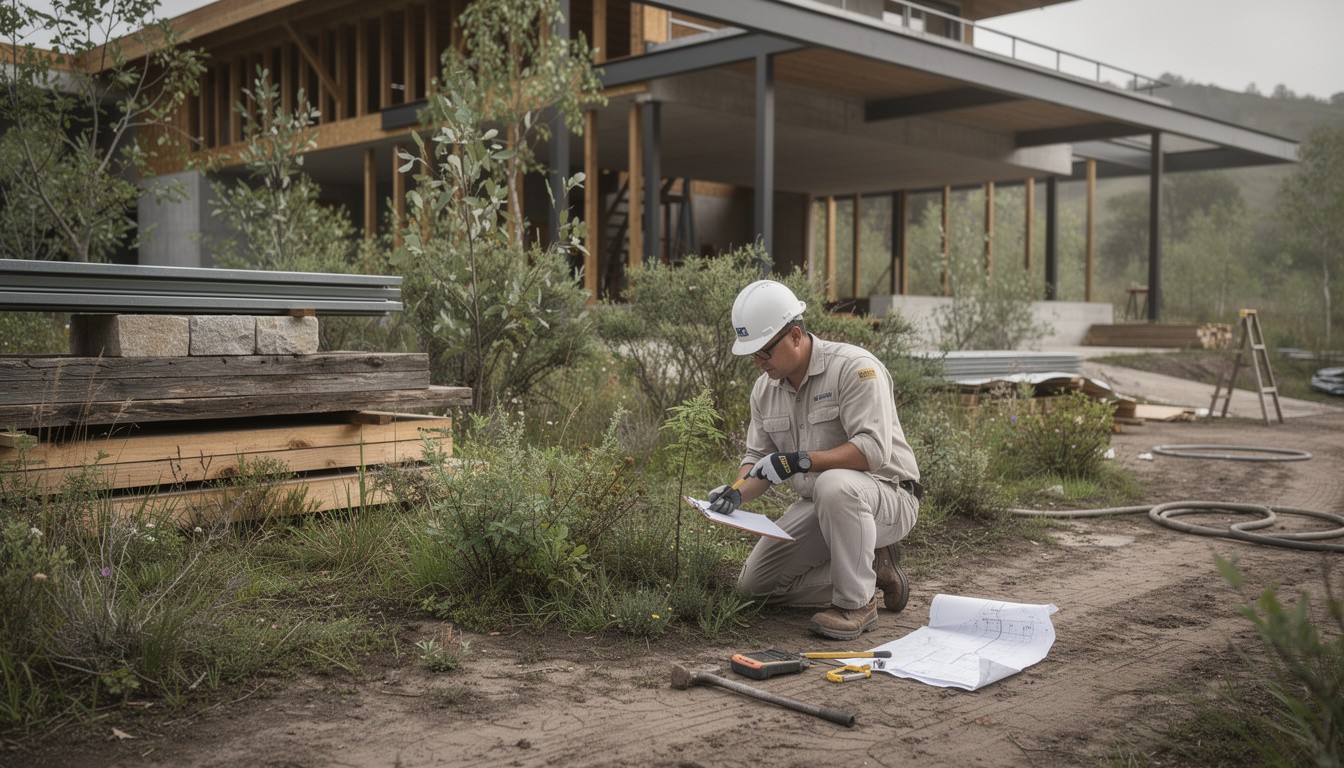
The landscape of construction is evolving rapidly, as the sector seeks innovative approaches to balance growth with sustainability. Ecology consulting has become a pivotal force, connecting traditional engineering methods with environmental stewardship. This synergy is reshaping what it means to build responsibly and with an eye toward innovation. By infusing ecological expertise throughout every phase of building projects, from initial concepts to completion, today’s unique challenges can be met with greater effectiveness.
The role of ecology consulting in modern construction
Ecology consulting serves as the essential bridge between environmental science and practical construction requirements. No longer relegated to the sidelines, ecological insights now often guide the earliest planning conversations. The growing influence of these specialists is transforming industry standards and elevating expectations across the board.
Consultants assess site biodiversity, advise on sustainable materials, and develop strategies that minimize negative impacts on local habitats. Frequently, this process reveals opportunities for construction innovation not previously considered in conventional design models. As a result, each step—from site assessments through project delivery—can benefit from more informed, eco-friendly choices.
Where technology in construction meets ecology
Modern construction relies increasingly on digital tools and new technologies. When combined with in-depth ecological analysis, these advances make truly sustainable results possible. Ecology and engineering integration leverages data-driven insights to inform better decisions at every project stage.
This collaboration enables agile responses. For example, drone surveys and advanced sensor networks provide efficient, targeted monitoring of sensitive environments. Such technology in construction gives developers more control and foresight, helping avoid costly setbacks while safeguarding vital ecosystems.
Advantages of digital transformation within environmental consulting
One significant advantage of digital transformation is its ability to accelerate information sharing. Collaboration platforms allow ecologists and engineers to solve problems together rather than separately, expediting both compliance reviews and solution development.
Real-time teamwork ensures no critical detail is overlooked as a project progresses from the design to construction process. Accessible digital records help track commitments, ensure regulatory consistency, and improve communication with key stakeholders.
Driving construction innovation through ecological insight
Innovative solutions inspired by close environmental consulting include green infrastructure concepts—such as rain gardens or living roofs—that promote resilience without sacrificing design intent. These features emerge from bridging disciplines, combining scientific precision with creative problem-solving for robust outcomes.
Additionally, incorporating technology in construction opens doors to predictive modeling and lifecycle analyses, ensuring each new structure is smarter about energy use, waste management, and long-term maintenance needs.
Sustainability and systemic issues: tackling challenges together
Bringing together environmental and engineering priorities uncovers systemic issues within standard construction workflows. Consultants are adept at identifying points where unsustainable practices have persisted due to limited cross-disciplinary awareness.
Addressing these challenges requires holistic thinking, prompting teams to consider factors such as carbon objectives, water cycles, material sourcing, and land use patterns collectively. Evaluated through an ecological perspective, these elements form a broader puzzle, where each piece influences overall project success.
Creating real-world resilience
To achieve genuine resilience, projects must anticipate risks associated with changing climates, intense weather, or shifts in biodiversity. Ecology consultants contribute specialized expertise in adaptive species selection, stormwater management, and erosion controls tailored to specific sites.
Engaging these professionals early supports future-proof developments, reduces liability, and ensures that assets remain functional even under unexpected conditions.
Systemic solutions by bridging disciplines
Ecology and engineering integration empowers project teams to address potential problems before they escalate. Interdisciplinary reviews keep construction innovation aligned with global sustainability benchmarks.
This collaborative approach generates systemic solutions—a multipurpose park instead of just a retention basin, or biophilic elements designed to enhance well-being in urban centers. Projects transition from isolated fixes to comprehensive strategies built for lasting value.
From design to construction process: weaving sustainability throughout
The advantages of involving environmental consulting resonate through all phases of a project. Comprehensive evaluations during the design stage yield actionable data for architects, civil engineers, and landscape experts. Early input allows for modifications that boost positive impact, streamline approvals, and prevent complications later in the process.
As work shifts from planning to execution, ongoing ecological oversight ensures that original goals are maintained. This consistent focus helps teams stay committed to compliance, efficiency, and quality standards central to modern sustainable construction.
- Site analysis informs placement, orientation, and allocation of green spaces.
- Material selection emphasizes resource conservation and recyclability.
- Construction sequencing adapts to protect vulnerable areas during peak periods.
- Operational strategies prioritize water, energy, and waste circulation over the building’s life cycle.
How does technology in construction support sustainability goals?
- BIM reduces waste by optimizing material use from planning through to demolition.
- Sensors monitor site conditions, supporting adaptive management strategies.
What are some systemic issues solved by ecology and engineering integration?
- Enabling proactive risk management
- Simplifying regulatory navigation
- Improving interdisciplinary alignment
Why is resilience important in sustainable construction?
- Flood mitigation systems adapted to local climate data
- Native planting for improved soil stability
How does environmental consulting influence the design to construction process?
- Data-informed site layouts reducing habitat disruption
- Strategic scheduling around seasonal sensitivities




0 Comments