
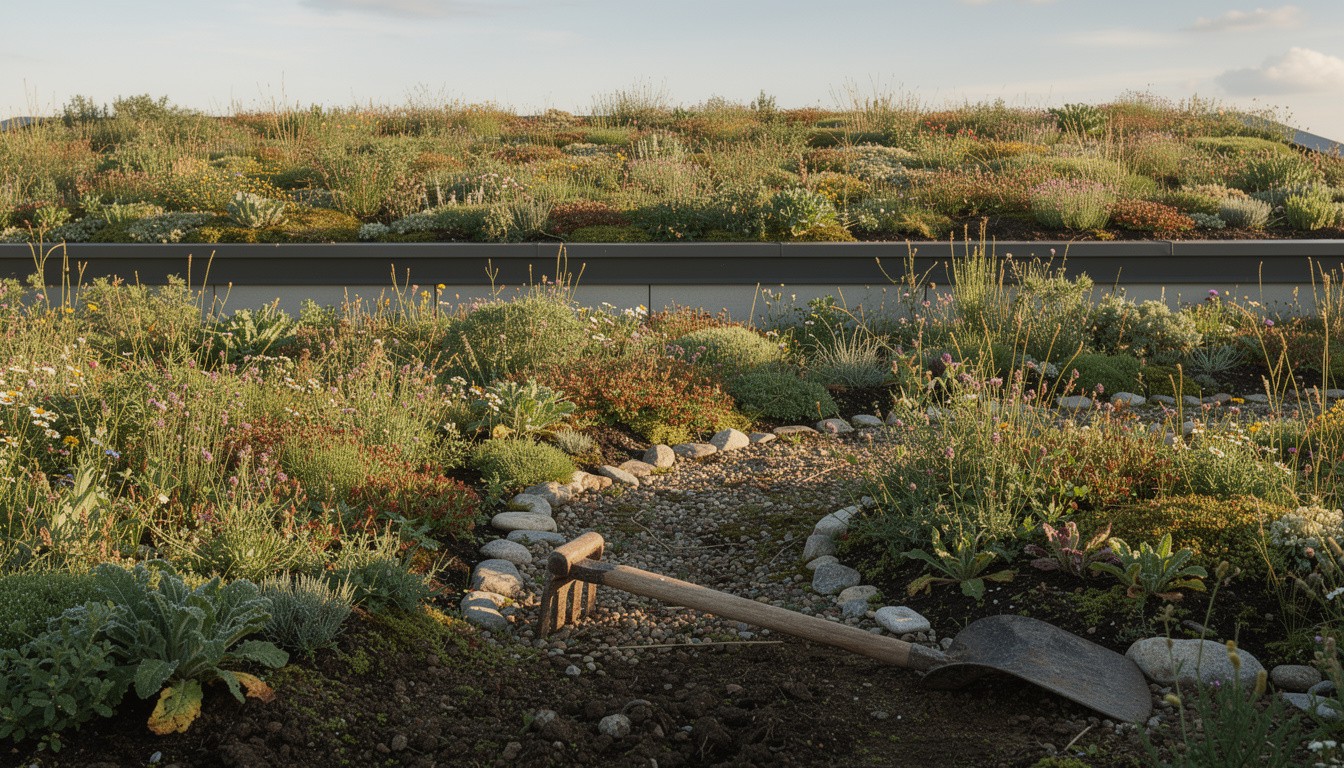
The world of cities comes alive when once-sterile spaces transform into inviting pockets of nature. Concrete landscapes can quickly shift to vibrant color and sound as communities adopt simple measures that nurture a richer environment for all living creatures. Growing evidence highlights how even the smallest green space—whether a garden corner, a planter on a balcony, or lush rooftop gardens—plays an outsized role in boosting urban biodiversity and reshaping city environments. These little changes do more than brighten neighborhoods; they set in motion powerful benefits for climate change adaptation and enhanced ecological connectivity.
Why urban spaces matter for biodiversity
Cities continue to sprawl and grow denser each year, often at the expense of surrounding natural areas. Yet new research points to cities as vital outposts for supporting species diversity, especially when small steps bring nature back onto the urban canvas. Taking action at home does much more than add beauty; it creates essential habitats, supports pollinators, and helps reconnect fragmented natural landscapes.
Diverse urban landscapes buffer local climate extremes and offer resilience against challenges like climate change. Habitats that were once abundant outside city limits now survive within walls, on rooftops, and along the lines of daily movement. When residents choose to plant native plants or install green roofs, each decision strengthens a wider web of life.
Transforming traditional gardens for wildlife
Conventional lawns and neatly trimmed shrubs do little for most animal species. A few changes to gardening practices can dramatically shift this balance, turning any outdoor area into a haven for birds, butterflies, and beneficial insects. Outdoor surroundings become alive with seasonal colors and sounds, drawing attention from neighbors and inspiring further positive action.
Getting started is surprisingly simple. Even modest gardens experience rapid wildlife returns after switching from generic grass to carefully chosen native plants. These attract local pollinators and serve as breeding grounds or food sources for many bird species. The process also advances habitat creation, building stepping stones for species navigating the city.
Choosing native plants for impact
When adding new greenery, prioritizing native plant varieties delivers quick results. These species blend seamlessly with local ecosystems, require less maintenance, and are better equipped to withstand weather shifts related to climate change.
Native plants supply nectar and seed, fostering populations of bees, butterflies, and even hummingbirds where possible. Their presence supports broader ecological connectivity because many insect and animal species rely exclusively on specific flowers or trees.
Simple strategies for attracting pollinators
Incorporating flowering native plants places gardens at the heart of urban biodiversity efforts. Pollinators gravitate toward diverse blooms and layered shrubbery, which provide cover and nutrition throughout the growing season.
Other helpful modifications include leaving leaf litter undisturbed in certain corners, reducing chemical use, and ensuring access to water with birdbaths or shallow dishes. A rich variety of flowers, heights, and textures draws in even rare pollinators, directly supporting ongoing ecosystem health.
Green roofs and rooftop gardens: vertical solutions take root
Urban density means fewer traditional yards, but creative thinking opens new horizons high above street level. Green roofs and rooftop gardens have soared in popularity as climate concerns prompt designers to reimagine unused roof spaces. Whether expansive or compact, these installations redefine what a city’s skyline can achieve ecologically.
Changing bare roofing into thriving vegetation transforms entire neighborhoods. Rooftop gardens offer safe refuges for wildlife while providing tangible benefits to people below. Views shift from plain surfaces to flourishing communities of plants, insects, and nesting birds—delivering daily moments of nature to all who glance upward.
Benefits of green roofs for urban biodiversity
Integrating vegetation atop buildings provides instant new habitats and cools overheated districts impacted by the urban heat island effect. Well-designed green roofs host insects and seed-eating birds, attracting a mix of pollinators crucial for healthy city-wide ecosystems.
Beyond supporting wildlife, these features extend roof lifespans, reduce stormwater runoff, and improve air quality for everyone nearby. The result is multi-layered progress toward ambitious climate change adaptation goals—all driven by native plants and clever landscaping strategies.
Connecting green spaces across the city
Isolated parks only go so far without corridors linking them. In this context, rooftop gardens play a key part in restoring ecological connectivity. Together with ground-level gardens and tree-lined streets, islands of habitat expand into continuous ribbons that support movement and survival for wildlife across city grids.
Networks connecting street planters, garden beds, and elevated terraces form genuine nature-based solutions. Coordinating overlap among structures expands options for even demanding species; increased coverage allows populations to withstand environmental pressures linked to climate change and urban development.
Nature-based solutions for resilient future cities
Designers, officials, and citizens increasingly view nature as an ally in city planning. Layering green infrastructure—from rain gardens beside sidewalks to wildflower meadows atop buildings—converts routine spaces into life-saving resources during heatwaves or floods.
Mainstreaming nature-based solutions gives cities reliable tools for tackling multiple issues at once. Planting shade trees along busy corridors, constructing green roofs, and reinventing empty lots reduces urban heat, supports stormwater management, and fosters outdoor well-being for all residents.
- Plant native species in backyards and community plots.
- Install birdhouses and bee hotels for additional shelter.
- Advocate for municipal investment in rooftop gardens and tree planting.
- Encourage schools and businesses to integrate green roofs where possible.
How do green roofs help with urban heat island mitigation?
Green roofs act as thermal shields by absorbing sunlight and providing insulation, lowering surface and indoor temperatures compared to traditional roofing. Water evaporates from plants, cooling the air above densely built-up zones, reducing the intensity of urban heat islands.
- Reduced energy needed for air conditioning.
- Decrease in peak indoor temperatures.
- Mitigation of temperature swings on uppermost floors.
| Roof type | Average difference |
|---|---|
| Standard flat | +5°C higher in summer |
| Green roof | Up to 4°C cooler |
Which pollinators benefit most from native plants in urban gardens?
Pollinators such as bees, butterflies, and hummingbirds thrive in areas where native plants dominate. These animals depend on region-specific flowers for nectar and breeding. Birds that feed on seeds or insects also frequently visit gardens filled with such flora.
- Solitary bees and honey bees
- Various butterfly species, including monarchs
- Songbirds adapted to native seeds and berries
What counts as a nature-based solution in urban settings?
Solutions that mimic or enhance natural processes to address urban issues qualify as nature-based. This includes tree planting, the creation of wetlands to manage flooding, and implementing green roofs. The goal is to support both environmental health and human quality of life within city boundaries.
- Street tree alleys
- Restored urban streams
- Rooftop or wall gardens
- Rain-collecting bioswales
Can small backyard gardens really boost ecological connectivity?
Even small parcels, when managed thoughtfully, link isolated habitats and provide stepping stones for wildlife moving through cities. Frequent planting of native species and avoiding impassable fences enhances the ability of insects, birds, and mammals to cross neighborhoods safely. Collaboration among neighbors amplifies the scale and effectiveness of these green corridors.




0 Comments