
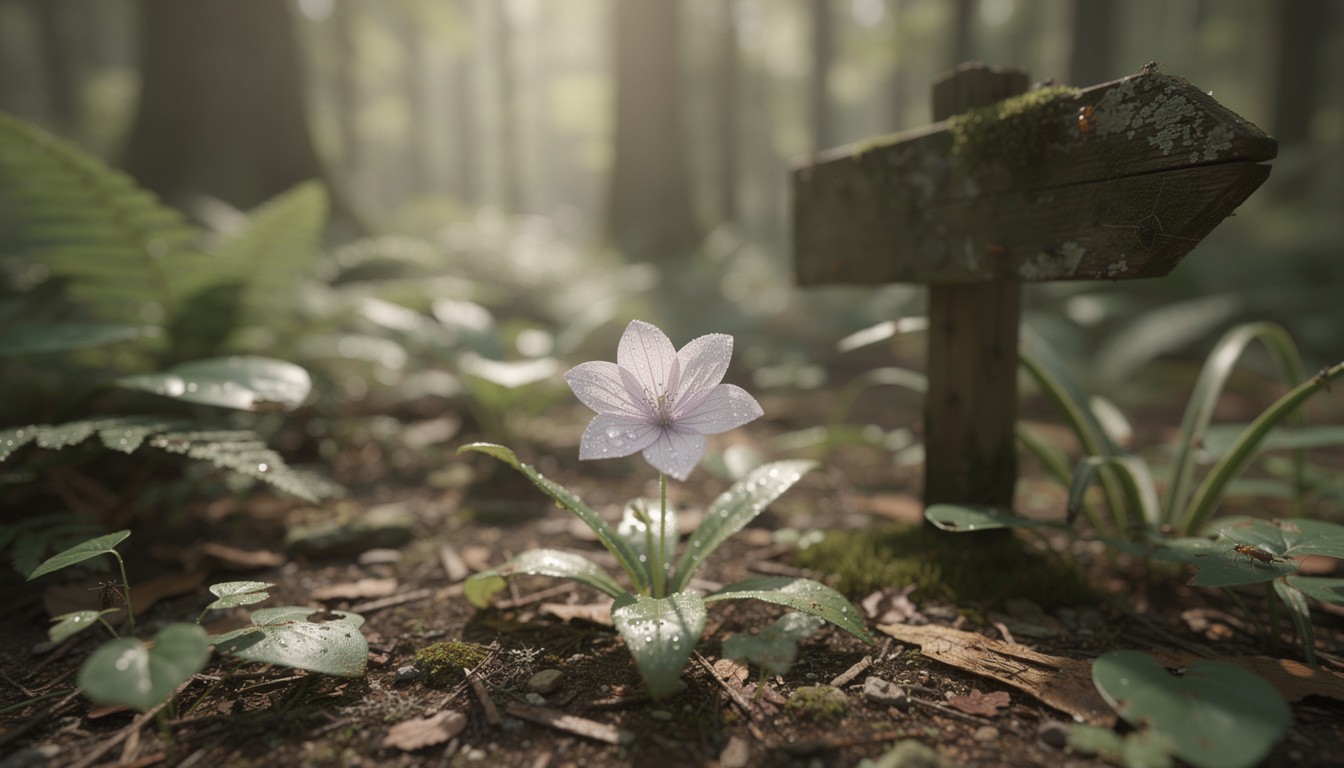
Efforts to save threatened plants and animals often begin with surveys for counting or locating populations, but lasting impact comes from inventive actions that go far beyond simply gathering data. Protecting endangered species requires more than knowing where they live—it calls for hands-on activities, effective use of resources, and strong community and individual involvement at every stage. These creative interventions can turn basic conservation into practical, enduring solutions that secure the future of vulnerable species.
Thinking bigger than numbers
While scientific research and data collection provide essential insights, relying only on surveys barely scratches the surface of wildlife conservation. Reliable population counts are just starting points for real change. By introducing innovative approaches and involving a range of stakeholders, it is possible to expand both the reach and effectiveness of efforts to protect diverse ecosystems.
The move toward new methods also encourages partnerships between local communities and dedicated conservation teams. People living near or within important habitats become invested stewards, ensuring long-term care rather than short-lived programs.
Unique ways to restore and create habitats
Habitat creation and restoration are central to helping rare and declining species survive. Moving beyond traditional preservation means reimagining landscapes and designing environments tailored to the specific needs of sensitive species.
- Rewilding degraded land supports natural ecological relationships and ecosystems needed by many animals to thrive.
- Conservation gardening—using native plants and thoughtful water management—creates urban oases for insects, amphibians, and birds.
- Restored wetlands have brought back amphibians, wading birds, and specialist fish by recreating lost ecosystems.
Encouraging microhabitats such as pollinator-friendly rooftops, artificial ponds, or log piles provides less mobile creatures with places to hide, feed, and breed throughout cities and farmlands.
Urban transformation through green spaces
Cities no longer exist apart from nature. Integrating green corridors or “living walls” into urban designs allows animals like bats, bees, and butterflies safe passage and resting sites. Community-led planting projects along roadsides or riverbanks foster neighborhood pride and create small sanctuaries within the concrete sprawl.
Even modest garden changes—swapping lawns for wildflower meadows, removing invasive species, or installing bird boxes—enable ordinary citizens to directly support habitat creation and restoration, making a genuine difference for local wildlife.
Innovative rural initiatives
Beyond city borders, farmers and rural landowners lead the way in adaptive landscape management. Practices such as hedgerow planting, rotational grazing, and wetland buffer zones boost animal populations without sacrificing crop yields. Agroforestry and silvopasture combine tree cover with livestock or crops, building rich habitats while keeping farms productive.
Some villages unite to develop “community reserves,” shared wild spaces managed together for biodiversity and eco-tourism. These cooperative conservation projects and initiatives strengthen local economies and help keep natural areas flourishing.
Harnessing technology in conservation
Modern tools offer new possibilities for those working to protect endangered species. From non-invasive monitoring to targeted habitat improvement, technology in conservation makes it easier to work efficiently and precisely.
- Satellite mapping uncovers hidden migration routes or shrinking habitats, guiding urgent restoration work to where it matters most.
- Camera traps and acoustic sensors monitor elusive animals, reducing human disturbance while collecting vital information about movement, health, and behavior.
- Drones map remote terrain, spot illegal activity, and identify the best spots for replanting.
Apps designed for community and individual involvement allow people to record animal sightings, upload photos, or report threats instantly. With a smartphone, anyone can contribute observations, supporting scientists who analyze these crowd-sourced datasets for broader trends.
Targeted, species-specific approaches
No two species face the same challenges, so customized responses make a difference. Conservationists craft strategies unique to each group—building nesting rafts for waterbirds, creating corridors for forest mammals, or restoring host plants required by rare butterflies.
Consider turtle protection projects that install beach fences during egg-laying season or programs teaching fishermen how to safely release entangled sea life. These focused steps address particular risks and encourage coexistence between humans and wildlife.
Species guardianship and monitoring
Selecting flagship or umbrella species for special attention often improves conditions for numerous other plants and animals sharing their ecosystem. Regular checks—such as inspecting nestboxes or tagging animals—provide insight into individual health, breeding success, and overall habitat requirements.
Ongoing monitoring helps managers adjust quickly to new challenges, whether disease outbreaks or climate shifts. This combination of routine presence and flexible problem-solving keeps rare populations stable.
Evolving responses to human-wildlife interactions
Living alongside wild creatures sometimes leads to conflict, including crop damage, predation, or competition for resources. Instead of exclusion, creative wildlife conservation seeks coexistence. Solutions might involve deterrent devices, improved fencing, relocating food sources, or financial compensation schemes to ease tensions.
Educational campaigns nurture respect for protected species, transforming fear or frustration into understanding. Collaboration between residents and rangers builds trust, empowering local voices in both prevention and resolution efforts.
Broader effects on ecosystems and communities
Actions taken for a single threatened plant or animal ripple outward through entire ecological relationships and ecosystems. Healthy forests, wetlands, and grasslands provide clean water, pollination, carbon storage, and flood protection—not just for wildlife, but for everyone nearby or downstream.
Effective programs depend on active participation. The involvement of teachers, outdoor clubs, young explorers, and family groups injects enthusiasm and continuity into conservation. As local skills grow, leadership and knowledge pass naturally from one generation to the next, strengthening roots for lasting change.
What are some surprising ways communities participate in wildlife conservation?
- Organizing local patrols or clean-up crews for critical habitats
- Planting native gardens on school grounds
- Setting up monitoring stations in public parks
How does technology improve modern conservation projects?
- Faster detection of threats
- Efficient resource allocation
- Broader public participation
Is it possible for urban spaces to support protected species?
- Pollinator pathways
- Streams restored in suburbs
- Tree-planting projects led by local residents
Why do species-specific approaches matter in conservation?
| Species | Special intervention |
|---|---|
| Turtles | Beach fencing during nesting |
| Bats | Artificial roosts in cities |
| Amphibians | Pond restoration |

0 Comments