
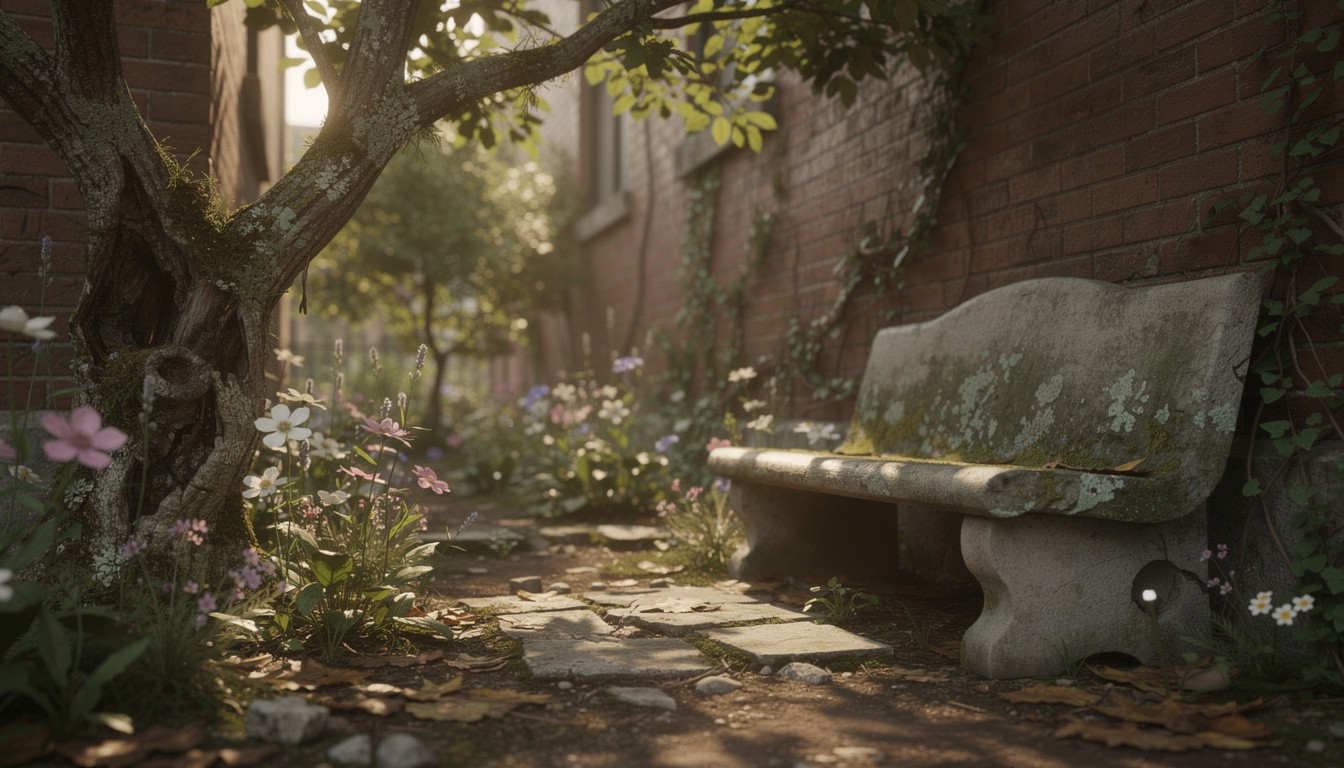
How do animals find homes in unlikely places?
At first sight, urban landscapes may seem inhospitable, but countless species manage to establish their own sanctuaries. Wildlife adaptation to urban environments is evident in birds building nests on ledges, foxes foraging after dark, or pollinators visiting window boxes. These creatures become subtle neighbors, responding to changes shaped by both human activity and nature’s persistence.
Many residents overlook narrow strips of grass between roads or vacant lots dismissed as unimportant. Yet every patch can provide a crucial habitat for a variety of species. The resourcefulness of these animals and plants highlights how deeply human-nature interactions are woven into even the most developed settings.
Who creates and supports these urban habitats?
Several actors contribute to nurturing and maintaining biodiversity in urban landscapes. While spontaneous natural growth shapes much of the expansion in informal green space, city planners, local organizations, and individual residents all influence outcomes. Backyard gardens may transform into mini-habitats, compost bins introduce new cycles of life, and tree-lined streets offer nesting opportunities and shaded pathways benefiting both humans and animals.
Civic engagement plays a vital role. Community gardening projects, planting initiatives near waterways, and rooftop “bee hotels” all help meet the needs of urban wildlife. Everyday decisions about landscaping, waste management, and public planning contribute to the delicate equilibrium that allows unexpected nature to take hold in urban settings.
Formal versus informal green spaces
Not every green space is planned. Parks, botanical gardens, and allotments result from deliberate action and certainly offer valuable shelters for wildlife. Yet, informal spaces arise independently, without direct human intention. Examples include unmowed roadside verges, aging stone walls, or fenced construction sites reclaimed by shrubs and vines. Each environment supports a unique mix of species, enriching overall urban biodiversity in ways structured landscapes sometimes cannot achieve.
A balanced approach recognizes the importance of both intentional and spontaneous elements within urban ecosystems. Preserving informal green space is critical for safeguarding plant and animal diversity as cities continue to change and grow.
Championing coexistence: fostering better human-nature interactions
Encounters between residents and local wildlife foster appreciation for all species sharing urban neighborhoods. Educational programs, interpretive signage, and citizen science surveys raise awareness of often-hidden neighbors. As understanding deepens, so too does the commitment to protecting habitats for animals—even when those places appear insignificant at first glance.
Supporting thriving ecosystems in cities requires coordinated effort from governments, communities, and individuals alike. Accepting the presence of swallows nesting above doorways or frogs singing after rainfall enriches daily life for everyone who calls the city home—including its non-human residents.
What types of animals commonly inhabit hidden urban habitats?
Many animals adapt to the distinctive challenges of city life. Birds, rodents, bats, insects (like bees and beetles), and small mammals often use unconventional shelters found around buildings, bridges, or parks. Even amphibians and reptiles may hide beneath rocks or seek protection in unused drains, making use of every available niche. Typical examples include:
- Sparrows and pigeons nesting on rooftops or apartment balconies
- Bats roosting beneath eaves or inside attics
- Squirrels and hedgehogs living in backyard gardens or under sheds
- Bees visiting flowers on street verges or planter boxes
Why is urban biodiversity important for cities?
Biodiversity in urban landscapes ensures stable and healthy ecosystems. This diversity controls pests naturally, helps pollinate crops and ornamental plants, and regulates temperature and air quality. In addition, contact with nature in unlikely places brings mental and physical health benefits for city residents. Key reasons include:
- Maintaining clean air and water through natural filtration systems
- Improving pollination for gardens and green infrastructure
- Offering recreational, educational, and aesthetic value
Where can hidden habitats be observed in a typical city?
Hidden habitats exist almost everywhere, from tiny wildflower patches growing in sidewalk cracks to disused lots overtaken by shrubs. Common sites to watch for include:
- Informal green space between buildings or beside highways
- Abandoned rail corridors and industrial lands
- Green roofs or vertical gardens
- Undermanaged canal edges, ponds, and drainage ditches
| Habitat type | Common species |
|---|---|
| Backyard garden | Songbirds, butterflies |
| Vacant lots | Wildflowers, rabbits |
| Rooftop gardens | Pollinators, sparrows |
How can individuals support wildlife adaptation to urban environments?
Simple actions can contribute greatly to creating and protecting refuges for animals. Planting native flowers in balcony boxes, installing birdhouses, leaving leaf piles undisturbed, and avoiding chemical pesticides all benefit urban wildlife. Practical measures include:
- Choosing native species when planting gardens
- Building small ponds or insect hotels
- Allowing parts of lawns to grow wild
- Supporting local stewardship efforts or citizen science surveys



0 Comments